
Fish Oil and Brain Health: What the Research Actually Shows
Sep 16, 2026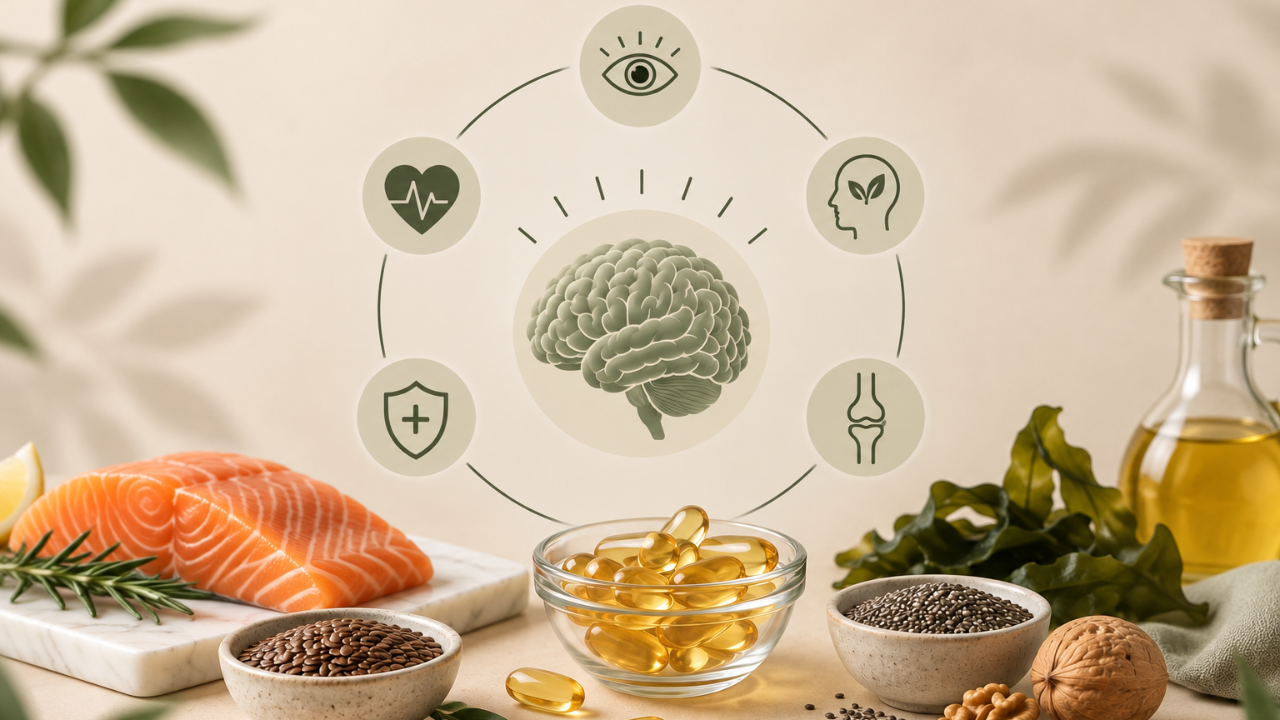
Fish oil was mentioned in a recent Washington Post article that framed several common supplements as potentially detrimental to brain health. The study behind that framing didn't use a randomized controlled trial to compare the brain health of fish oil users against non-users. Instead, researchers combed through data from the Alzheimer's Disease Neuroimaging Initiative (ADNI) and identified 273 omega-3 users and 546 matched non-users, then tracked both groups over a median follow-up of five years.
That could offer valuable data but the ADNI isn't a representative sample of the general population. Every participant was already undergoing evaluation for cognitive aging and Alzheimer's disease. While participants were matched on several recorded variables (age, sex, education level, and APOE4 status), the study didn't control for fish oil dosage, formula quality, brand, or adherence to a regular dosing schedule. Nor did it account for other healthy lifestyle habits like exercise, nutrition, or additional supplementation among those followed.
It's highly plausible that participants who eventually enrolled in the ADNI first noticed subtle cognitive changes, grew concerned about their brain health, saw a physician, and began taking fish oil as a result — then, five years later, continued to experience cognitive decline regardless. That would make fish oil a marker of early concern rather than a cause of decline; not a causation finding. And because Alzheimer's pathology begins years before clinical diagnosis, this kind of reverse causation is a serious, recurring issue in observational supplement research.
This is also why other lifestyle habits like nutrition, exercise, sleep, detoxification support, cognitive stimulation, and stress management deserve just as much attention when addressing cognitive changes. No supplement regimen alone will fully address the physiological changes associated with Alzheimer's disease. But that doesn't mean fish oil has nothing to offer; the broader research on omega-3s and brain health is more encouraging than this single study suggests.
Understanding Omega-3 Fatty Acids
Fish oil is one of the most widely used supplements for supporting brain, heart, and overall health. It's an excellent source of omega-3 fatty acids — but not all omega-3s are created equal.
Omega-3 fatty acids are a family of essential polyunsaturated fats that play important roles in the brain, heart, eyes, immune system, and cell membranes throughout the body. They're considered "essential" because the body can't produce adequate amounts on its own, so they must come from food or supplementation.
There are three primary types of omega-3 fatty acids:
DHA (Docosahexaenoic Acid)
DHA is the predominant omega-3 found in the brain and retina, and it's particularly important for cognitive and visual health.
Key functions:
- Structural component of brain cell membranes
- Supports learning, memory, and cognitive function
- Essential for fetal and infant brain development
- Helps maintain eye health
Approximately 90–95% of the omega-3 fatty acids found in the brain are DHA.
Sources:
- Fatty fish (salmon, sardines, mackerel, trout)
- Fish oil, cod liver oil, and krill oil supplements
- Algae-based supplements
EPA (Eicosapentaenoic Acid)
EPA is best known for its role in regulating inflammation and supporting cardiovascular health.
Key functions:
- Helps regulate inflammatory processes
- Supports heart health
- May influence mood and emotional well-being
- Serves as a precursor to resolvins, compounds that help resolve inflammation
Sources:
- Fatty fish (mackerel, herring, sardines)
- Fish oil, cod liver oil, and krill oil supplements
- Algae oil (smaller amounts)
ALA (Alpha-Linolenic Acid)
ALA is the primary plant-based omega-3 fatty acid.
Key functions:
- Can be used as an energy source
- Serves as a precursor to EPA and DHA
However, the conversion of ALA into EPA and DHA is relatively inefficient in humans:
- Less than 10% is converted to EPA
- Often less than 1–5% is converted to DHA
Sources:
- Flaxseed
- Chia seeds
- Walnuts
- Hemp seeds
- ALA supplements
- Black currant oil
Supplement Options
There are several ways to increase omega-3 intake through supplementation. The amount of DHA and EPA can vary significantly between products, so it's important to read labels carefully.
Fish Oil
Traditional fish oil supplements often contain higher amounts of EPA unless specifically formulated otherwise. Products labeled "triglyceride form" or "re-esterified triglyceride (rTG)" generally offer better absorption than ethyl ester forms.
Krill Oil
Krill oil typically contains lower amounts of EPA and DHA per serving, but these omega-3s are bound to phospholipids, which may improve absorption and incorporation into tissues. Krill oil also contains astaxanthin, a naturally occurring antioxidant that helps protect omega-3 fats from oxidation.
Cod Liver Oil
Cod liver oil provides EPA and DHA along with vitamins A and D. While these nutrients offer additional benefits, excessive intake may occur if high doses are used long-term.
Algae Oil
Algae oil is a plant-based source of marine omega-3s and an excellent option for those following vegetarian or vegan diets. Because fish obtain their EPA and DHA from algae, algae oil provides a direct source of these beneficial fats. Most algae oil products contain higher amounts of DHA, making them particularly attractive for supporting brain health.
Food First
While supplements can be a valuable tool, eating fatty fish at least twice a week is still recommended.
A simple way to remember the best sources is the acronym SMASH:
- Salmon
- Mackerel
- Anchovies
- Sardines
- Herring
These fish are rich in EPA and DHA while also providing high-quality protein, vitamins, and minerals. Because they're generally smaller and lower on the food chain, they also tend to accumulate fewer heavy metals than larger predatory fish.
A typical 3.5-ounce (100-gram) serving of SMASH fish provides approximately 1–2.5 grams of EPA and DHA combined — well above the general recommendation of 250–500 mg per day.
For individuals specifically focused on supporting cognitive health, choosing sources with higher DHA content may be particularly beneficial.
As always, discuss supplementation with your healthcare provider to determine what's most appropriate for your individual needs.
Brain Health Pearl: If you take an omega-3 supplement specifically for cognitive support, don't just look at the total fish oil amount — check the DHA content. Two products may both contain 1,000 mg of fish oil but provide very different amounts of DHA.
Source:
Download the 7 Pillars to a Thriving Mind
A comprehensive ebook guide with journaling prompts by Dr. Kaas to help you protect, preserve and optimize your brain health for a more functional present and future.
We hate SPAM. We will never sell your information, for any reason.